
Münster is an important cultural city in the German state of North Rhine-Westphalia, and it was here that the Peace of Westphalia was ratified in 1648. The peace ended the Thirty Years’ War in Europe, and Münster thus entered the history books. However, the city was already founded in 793, when Charlemagne wanted to Christianize the Münsterland region. Münster grew rapidly as an administrative center and market town.
There are many sights in Münster, and the entire old town is a lovely place for a walk. This part of Münster was destroyed during the Second World War, but fortunately the old houses, churches and other buildings were rebuilt, and the center is made up of the great cathedral, St.-Paulus-Dom. The church was built from the 13th century and continuously expanded over the following centuries.
The cathedral is one of Münster’s landmarks, and the old town hall is another. The town hall was one of the places where the Peace of Westphalia was negotiated, and the town hall thereby played a major role in the history of Europe. The building is located on the street Prinzipalmarkt, which is the city’s beautiful main street. Prinzipalmarkt is known for the many archways and gabled houses that can be seen on both sides of the street.
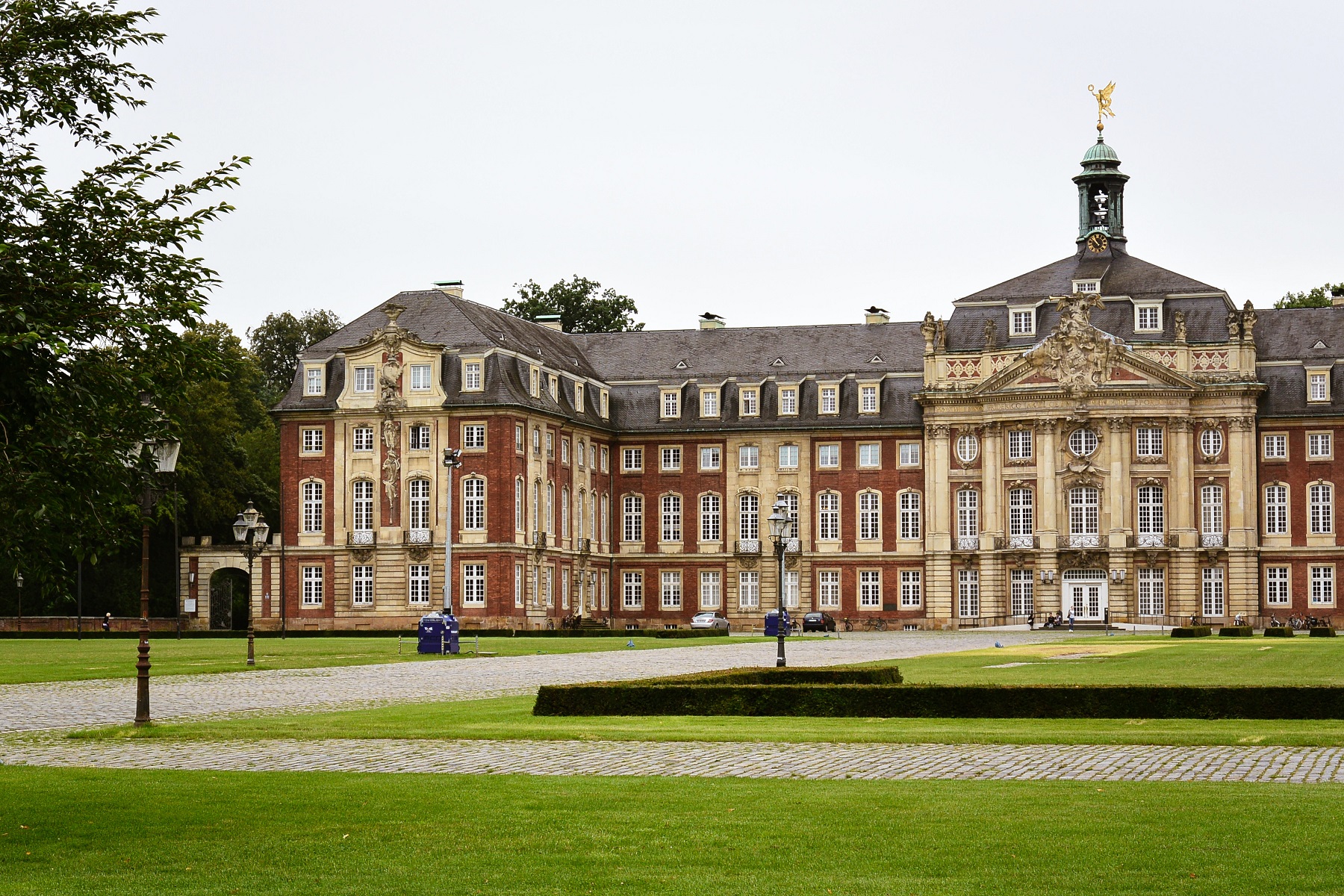
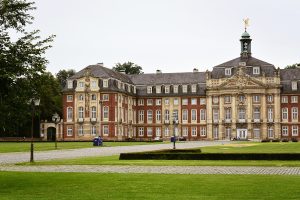
To the west of the center is the city’s castle, Schloss Münster, which was built in Baroque 1767-1787. The castle is today the seat of Westfälische Wilhelms-Universität Münster, and behind the castle is a botanical garden with, among other things, tropical houses and orangery. In the city you can also see several old churches and interesting museums such as Münster’s city museum, which conveys the city’s history with, among other things, the Westphalian Peace Treaty.
St. Paul’s Cathedral is Münster’s cathedral, the most prominent church in the city and the episcopal seat of the Catholic diocese. It was begun in the early 13th century and consecrated in 1264, after two earlier cathedrals on the site had been demolished. For centuries, the church remained the center of the city’s religious life, and has been the scene of many important events, such as episcopal ceremonies and chapter meetings. It survived the devastating bombings of World War II with considerable damage, but was carefully rebuilt in the post-war period.
Architecturally, the cathedral is a unique example of the transition between Romanesque and Gothic styles. The western part of the building with its two massive towers has clear Romanesque features, while the high nave and the impressive eastern choir show Gothic influence. One of the most famous sights in the church is the astronomical clock from around 1540, which not only shows the time, but also the movements of the celestial bodies and calendar dates. The interior of the cathedral is characterized by a combination of Gothic vaults, richly decorated altars and modern stained glass mosaics.
Today, St. Paul’s Cathedral functions as both an active parish church and a tourist attraction, attracting thousands of visitors every year. It is known for its organ concerts and special liturgical events with processions and solemn masses. The cathedral square in front also serves as one of the city’s central meeting places, where markets, festivals and events take place in the shadow of the mighty church.
The Altes Rathaus in Münster is one of the city’s most iconic and historic buildings. The building is particularly known as the place where parts of the Peace of Westphalia were signed in 1648, which ended the Thirty Years’ War. The town hall was originally built in the 14th century as the seat of the town council and a symbol of Münster’s autonomy. It was expanded and rebuilt several times during the Middle Ages, giving the building its current Gothic form with its striking facade.
The architecture of the building is one of the finest examples of Gothic town hall construction in Germany. The facade facing Prinzipalmarkt is particularly remarkable with its pointed gables, large windows and the many small towers, which give the building an almost cathedral-like character. Inside, the Peace Hall/Friedenssaal in particular attracts attention. The room is decorated with carved oak panels, portraits of European rulers and other decorations, which testify to the diplomatic importance of the place in the 17th century.
During World War II, the town hall was almost completely destroyed, but it was rebuilt in the 1950s with great respect for the original Gothic architecture. Today, the Altes Rathaus is both a tourist attraction and a meeting place for the city council to hold ceremonial events. The building is a strong symbol of Münster as a city of peace and is part of the European network of places of peace commemorating the end of the Thirty Years’ War.
The Prinzipalmarkt is Münster’s historic shopping street and one of the most characteristic urban spaces in Germany. The street developed as a center for trade and crafts in the Middle Ages, and many of the richest merchant and patrician houses were located here. For centuries, the street served as the city’s economic heart, where markets and public events took place.
Architecturally, the Prinzipalmarkt is known for its characteristic gabled houses, which were built from the 15th to the 17th century. The houses have long arcades, which make it possible to walk dry under the archways, and they create a very special, coherent urban space. Although almost all the buildings were destroyed during the bombings of 1945, the street was rebuilt in the original style after the war. This reconstruction is today considered one of the most successful examples of urban preservation in Germany.
Today, the Prinzipalmarkt remains Münster’s most important shopping and representative street. Here you will find exclusive shops, cafés and restaurants, and the street is the setting for many of the city’s major events, such as the cozy Christmas market.
Schloss Münster was built between 1767 and 1787 as the residence of the Prince-Bishop of Münster, Maximilian Friedrich von Königsegg-Rothenfels. The building was designed by the architect Johann Conrad Schlaun, who was one of the most important masters of the Baroque in Westphalia. The castle was located on the outskirts of the city center and marked the princely power in Münster until the Prince-Bishopric was dissolved in the early 19th century.
The castle is a magnificent example of North German Baroque architecture with an elongated, symmetrical facade, red brick walls and white sandstone details. The central building is highlighted by a high mansard roof and an elegant portal that is richly decorated. The architectural composition is both representative and functional, and the building is surrounded by parks and gardens, originally laid out in the Baroque style and later transformed into a landscape garden.
After the Napoleonic Wars, the castle lost its role as a residence and took on new functions. Today it houses the Westphalian Wilhelms-Universität Münster, and the building is thus the center of academic life. Münster Castle also serves as a backdrop for major events such as the annual Sommernachtsball.
The Münster Stadtmuseum is a museum that was founded in 1979. Here you can get a comprehensive insight into the city’s history from the Middle Ages to the present day. The museum is located in a former shop building from the 1910s, which was converted into a museum, and it combines modern exhibition architecture with historical objects. The museum aims to document Münster’s development as a bishopric, trading center and university city.
The exhibitions are organized chronologically and include crafts, paintings, photographs and objects from everyday life. Highlights include models of the city through the ages, including a detailed reproduction of Münster as it looked before the devastation of World War II. The museum also highlights difficult chapters in the city’s history, such as the Anabaptist rule in the 1530s and the massive destruction in the 1940s.
The LWL-Museum für Kunst und Kultur is Münster’s leading art museum and one of the most important in North Rhine-Westphalia. Founded in 1908 as the Provincial Museum, the museum quickly grew to house one of the most comprehensive art collections in the region. In the 1970s, it became part of the Landschaftsverband Westfalen-Lippe (LWL), and since then it has undergone several expansions, including a striking new building in 2014, which integrated the historic buildings with modern museum architecture.
The collection covers more than 1,000 years of art history, from medieval altarpieces and sculptures to modern and contemporary art. Highlights include works by famous artists such as Lucas Cranach, Peter Paul Rubens, Max Beckmann, August Macke and Joseph Beuys. The museum also has a large collection of graphics, coins and design objects, making it quite a versatile museum. Architecturally, the new building is an example of modern museum design with open, flexible exhibition spaces, large glass areas and an impressive atrium courtyard that connects the different parts of the complex.
Aasee is an artificial lake southwest of the city center of Münster, which was built in the 1930s as part of a large urban planning project. Originally, the purpose was both recreational and functional, as the lake was to function as a reservoir and drainage system. In the post-war period, the area around the lake was gradually developed into one of Münster’s most important green spaces, where the city’s population could find peace from the densely built-up city center.
Aasee is surrounded by large green areas, paths and parks, making it a popular place for walks, bike rides and picnics. The lake is also used for sailing with small boats and pedal boats, and sports and cultural events are organized along the shore. In 1987, Aasee became one of the central locations for Skulptur Projekte Münster, where international artists placed works in the landscape around the lake. Several of these works have remained permanently and have given the area an artistic character.
The Botanischer Garten Münster was founded in 1803 in connection with the establishment of the Westphalian Wilhelms-Universität. The garden was created on the site of the former Schlossgarten and has since grown to include around 5,000 plant species from all over the world. Originally, the garden served primarily as a teaching and research facility for medicine and natural sciences, but today it also functions as one of the city’s most beloved recreational attractions.
Architecturally and in terms of landscape, the garden consists of several sections, such as theme gardens, greenhouses and systematic plant collections. Visitors can experience everything from tropical rainforest plants in greenhouses to traditional European perennial beds and a large collection of endangered plant species. The garden also contains historical elements such as small pavilions and monuments that recall its long research tradition.

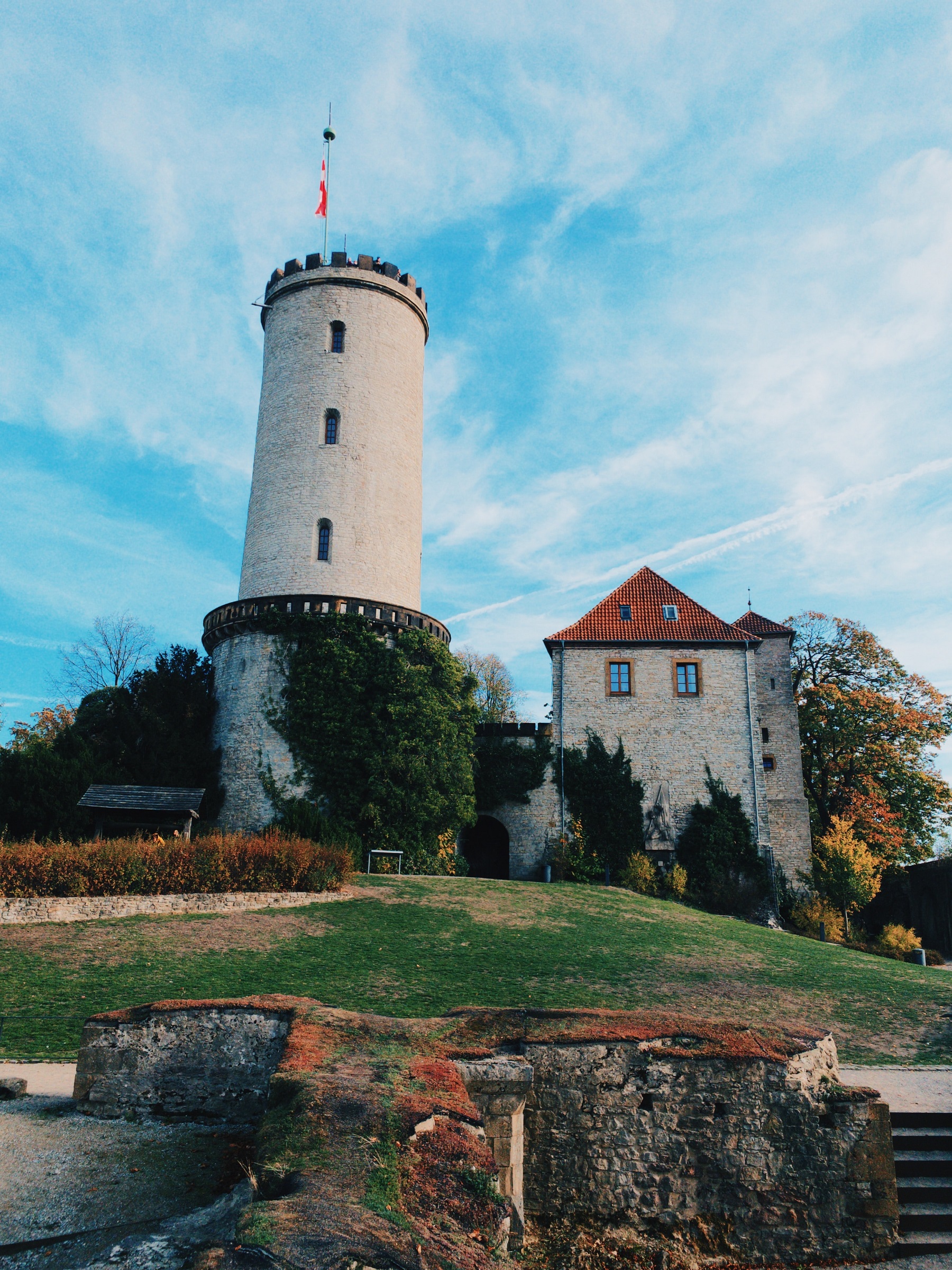
Bielefeld is a city in the state of North Rhine-Westphalia, located in the area around the Teutoburg Forest, where the Battle of Varus between Germans and Romans was possibly fought year 9. Bielefeld was founded in 1214 and grew rapidly in the following centuries, becoming the largest city in the local county. During industrialization, Bielefeld became a major center for the textile industry, but there was also other production in the city.
Today you can see Bielefeld’s cozy city center in the streets around the square of Alter Markt. In the square you can see the Theater am Alten Markt, which stands on the site of Bielefeld’s town hall until 1904. This year the town hall moved to a new building in the Weser renaissance style, which can still be seen in Niederwall street. Next to the 1904 town hall you can see Bielefeld’s beautiful opera house, which is also home to the city’s philharmonic orchestra.
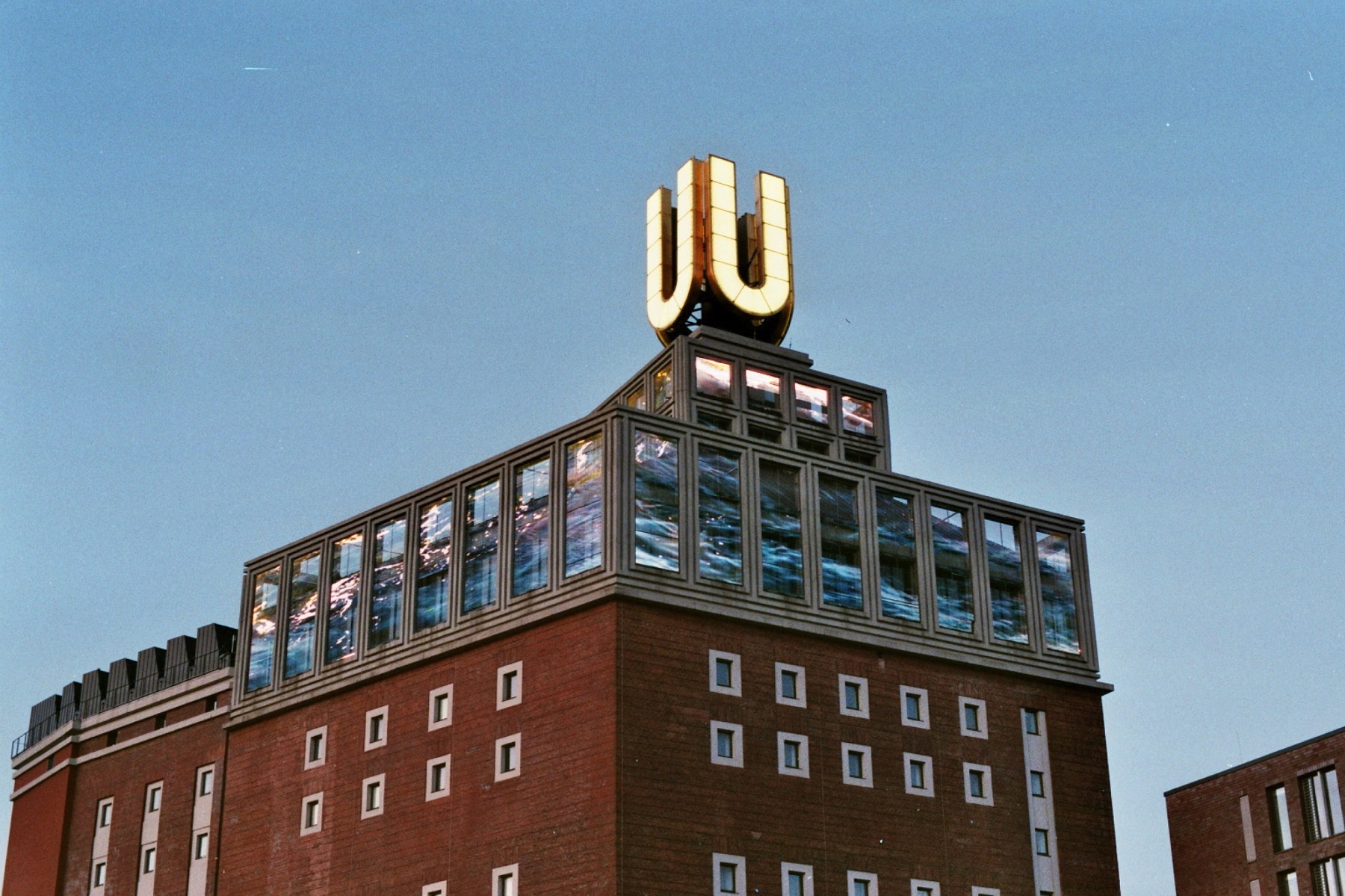
Dortmund is one of the largest cities in the state of North Rhine-Westphalia and in the Ruhr area, Germany’s most populous region. The city was founded in 882, and it got its current name from the 13th century, when forms of Dortmund appeared. In more recent times, Dortmund became the center of coal and steel production in Prussia, and due to the extensive industrial production, the city was a major bombing target during World War II.
Today, Dortmund’s streetscape is very colorful due to the mixture of renovation works and new development after the end of the war and the reconstruction of selected buildings. An example of the architectural contrasts can be seen at Friedensplatz, where the Altes Stadthaus from 1899 stands opposite Dortmund’s modern town hall. Close to this are the squares Alter Markt and Hansaplatz, which also feature modern buildings.
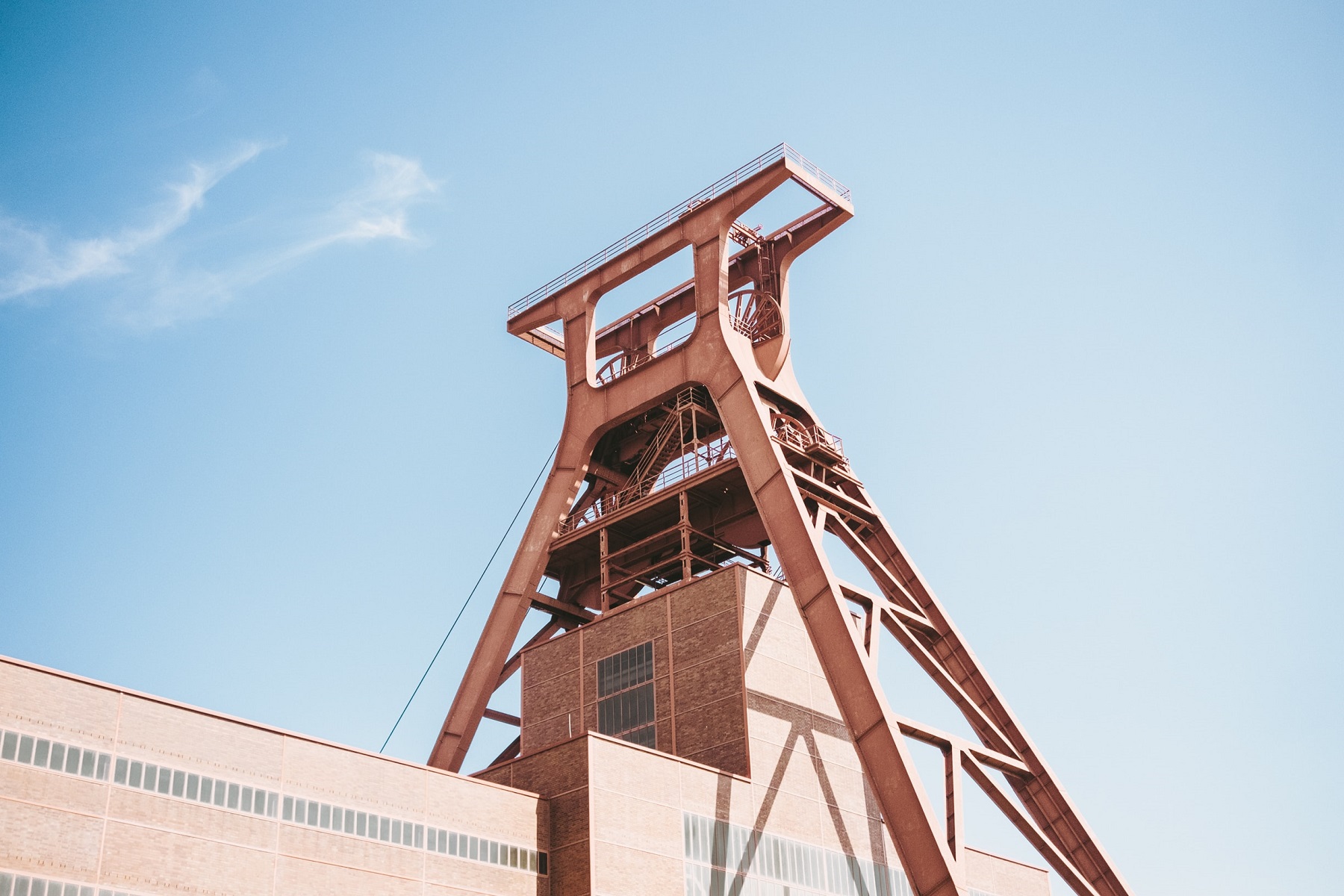
Essen is one of the largest cities in the Ruhr area and in the state of North Rhine-Westphalia. The city is located in the area between the rivers Emscher in the north and Ruhr in the south. Essen was founded in the mid-9th century, but remained relatively small until industrialization, which transformed Essen into one of Germany’s most important coal and steel cities. The population thus increased from around 5,000 in 1830 to more than 230,000 in 1905, and due to the enormous industry in the city, Essen was a major bombing target during World War II.
Central Essen is characterized by new buildings from the time after the war, when 90% of the center was destroyed. There are several streets and squares such as Kennedyplatz, Markt with the Marktkirche church and Burgplatz, where you can see the Essener Münster cathedral, which was consecrated in 1316. The Essener Domschatz museum is located next to the church, which belongs to Germany’s finest collections of religious art. Close to this is the beautiful Alte Synagoge from 1913, and at Essen’s main railway station you can see examples of newer buildings such as the Deutschlandhaus from 1929.
Münster, Germany
Overview of Münster
Münster is an important cultural city in the German state of North Rhine-Westphalia, and it was here that the Peace of Westphalia was ratified in 1648. The peace ended the Thirty Years’ War in Europe, and Münster thus entered the history books. However, the city was already founded in 793, when Charlemagne wanted to Christianize the Münsterland region. Münster grew rapidly as an administrative center and market town.
There are many sights in Münster, and the entire old town is a lovely place for a walk. This part of Münster was destroyed during the Second World War, but fortunately the old houses, churches and other buildings were rebuilt, and the center is made up of the great cathedral, St.-Paulus-Dom. The church was built from the 13th century and continuously expanded over the following centuries.
The cathedral is one of Münster’s landmarks, and the old town hall is another. The town hall was one of the places where the Peace of Westphalia was negotiated, and the town hall thereby played a major role in the history of Europe. The building is located on the street Prinzipalmarkt, which is the city’s beautiful main street. Prinzipalmarkt is known for the many archways and gabled houses that can be seen on both sides of the street.
About the Münster travel guide
Contents: Tours in the city + tours in the surrounding area
Published: Released soon
Author: Stig Albeck
Publisher: Vamados.com
Language: English
About the travel guide
The Münster travel guide gives you an overview of the sights and activities of the German city. Read about top sights and other sights, and get a tour guide with tour suggestions and detailed descriptions of all the city’s most important churches, monuments, mansions, museums, etc.
Münster is waiting for you, and at vamados.com you can also find cheap flights and great deals on hotels for your trip. You just select your travel dates and then you get flight and accommodation suggestions in and around the city.
Read more about Münster and Germany
France Travel Guide: vamados.com/germany
City tourism: visitmun-ster.de
Main Page: https://www.vamados.com/
Buy the travel guide
Click the “Add to Cart” button to purchase the travel guide. After that you will come to the payment, where you enter the purchase and payment information. Upon payment of the travel guide, you will immediately receive a receipt with a link to download your purchase. You can download the travel guide immediately or use the download link in the email later.
Use the travel guide
When you buy the travel guide to Münster you get the book online so you can have it on your phone, tablet or computer – and of course you can choose to print it. Use the maps and tour suggestions and you will have a good and content-rich journey.
Similar to Münster Travel Guide