
Kassel

51.31188, 9.49158

Kassel Travel Guide

Travel Author

Stig Albeck

City Map

City Introduction

Kassel is an old town known from the 10th century, where the area had a fortress by the river Fulda. Kassel obtained city rights in 1189, and in the 16th century the city became the capital of the County of Hesse-Kassel. Kassel became the center of Calvinist Protestantism in Germany, and the city was fortified as a defense against Catholics. Later, it became the home of the Brothers Grimm, who collected and wrote many of their fairy tales here.

The vast majority of Kassel was destroyed during World War II and not rebuilt. Kassel is therefore today a city with a center of post-war architecture. There are, however, some individual buildings that were rebuilt, such as the Museum Fridericianum, where one of mainland Europe’s first public art museums opened in 1779. You can also see the Martinskirche church in an interesting combination of new and old architecture.

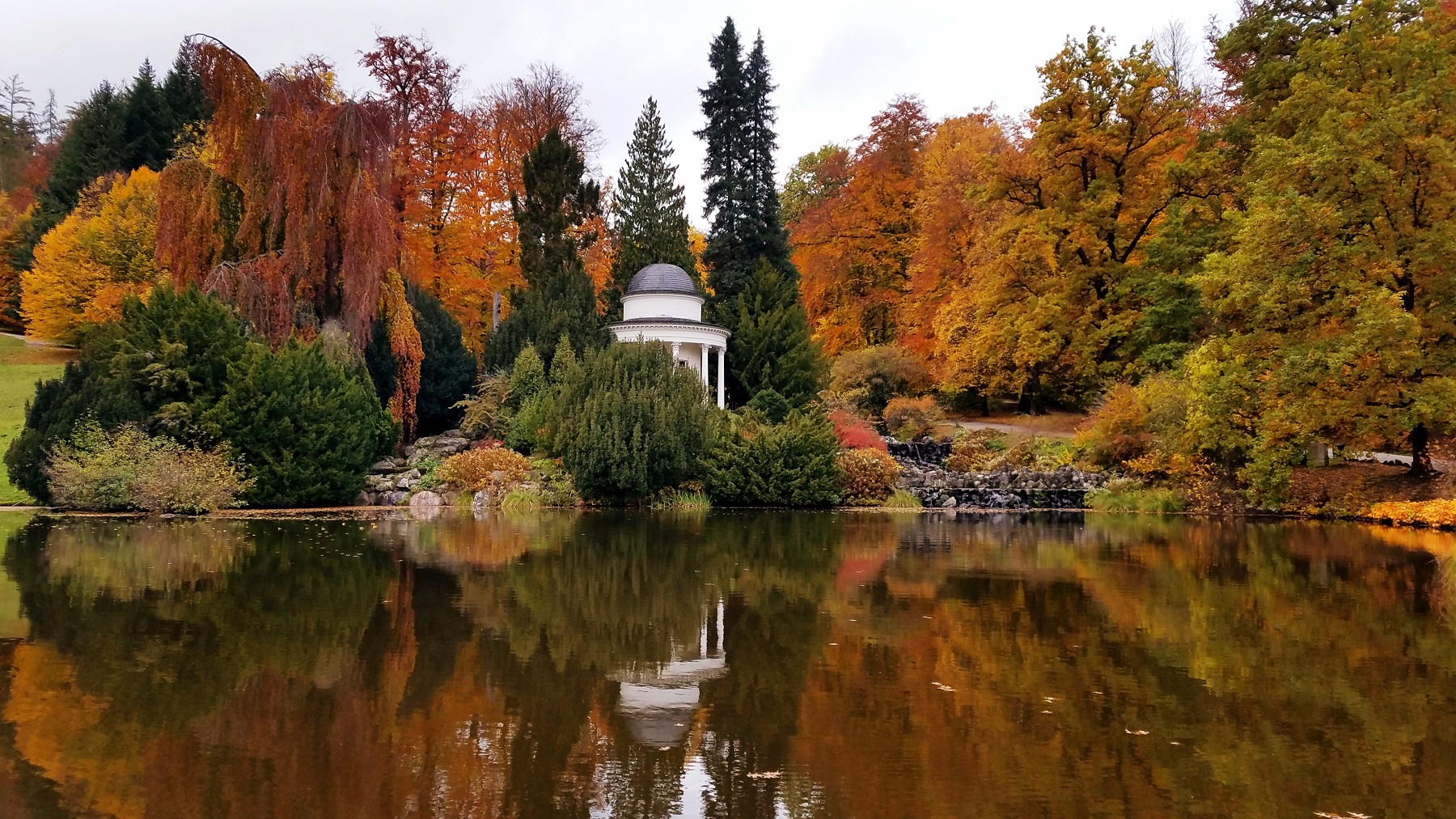
Bergpark Wilhelmshöhe is a particularly famous sight in Kassel. It is a park that spreads over several square kilometers in the western part of the city. The park was laid out from the end of the 17th century by the Landgraves of Hesse-Kassel, who had the castle Wilhelmshöhe here. Today, the large mountain park is listed as a UNESCO World Heritage Site with a lot of cascades, fountains, waterfalls and monuments such as Hercules at the top of the park.

Schloss Wilhelmshöhe is located at the foot of the mountain park, and the Landgraves’ old castle is today set up as the Gemäldegalerie Alte Meister art museum with some works by Rembrandt and paintings by Albrecht Dürer, Frans Hals and others in the collection. You can also see several other interesting museums in the city, and Karlsaue Park with the Landgraves’ beautiful orangery from the 18th century is also worth a stroll.

Top Attractions

King’s Square
Königsplatz

Königsplatz is Kassel’s central square and serves as the city’s commercial and social center. It was designed in its current circular form in 1767 under Landgrave Friedrich II and has since been a gathering place for trade, city life and representation. During World War II, large parts of Kassel’s city center, including the buildings around the square, were destroyed by air raids in 1943, which meant that the subsequent reconstruction took on a distinctly modern character.

Today, Königsplatz is surrounded by shops, cafes and modern buildings that represent post-war urban planning. The round square serves as a traffic hub and connects several of Kassel’s most important streets, including Obere Königsstraße, the city’s main shopping street. Architecturally, the square appears as an open and functionalist space where city life unfolds. The square is frequently used for events, concerts and city festivals, and it is an important gathering point during major cultural events such as documenta.


Documenta-Halle

The Documenta-Halle was built in 1992 specifically as an exhibition building for the world-famous documenta, the name of the international contemporary art biennial that has taken place in Kassel since 1955. The building was designed by the German architect Josef Paul Kleihues, who created a functional, flexible exhibition space that can be adapted to the many different art forms that the exhibition presents.

The architecture is characterized by a strict geometric form, large glass areas and clear lines that were typical of postmodernism in the 1980s and early 1990s. The facade interacts with the surroundings around Friedrichsplatz, where the Fridericianum is also located. Inside, the rooms are open and bright, making it possible to present installations, visual art, video art and performance in many different formats.


Museum Fridericianum

The Museum Fridericianum was built in 1779 under Landgrave Friedrich II of Hesse-Kassel and is considered one of the first publicly accessible museums in Europe. The building marked a new era in the Enlightenment idea of ​​art and science as something that should be accessible to the public. It originally housed a library, collections of antiquities and natural history finds and objects.

Architecturally, the museum was designed by Simon Louis du Ry in the neoclassical style. The facade is characterized by columns, triangular pediments and a clear symmetry, which supports the Enlightenment ideal of order and rationality. The monumental appearance of the building made it a landmark of Kassel’s status as a cultural center in the 18th century.

In the 20th century, the Fridericianum became internationally known as the headquarters of the major art exhibition documenta, which began in 1955 and has since been one of the world’s most important platforms for contemporary art. Today, the museum primarily functions as an exhibition hall for changing modern art projects and is a central part of Kassel’s many and fine offerings as an art city.


Kassel State Theatre
Staatstheater Kassel

The Staatstheater Kassel has its roots back to the 17th century, when Landgrave Moritz founded a court theater, which later developed into one of the oldest theater institutions in Germany. However, the current building dates back to 1959, when the original theater was destroyed during the heavy bombing that hit Kassel in 1943. The reconstruction was an important part of Kassel’s cultural recovery after the war.

The theater building is an example of post-war functionalist architecture with a combination of strict lines and open glass sections. Inside, the house contains three stages: the large opera hall, the Schauspielhaus for theater performances and a smaller experimental stage room. The acoustics and technical facilities were designed from the start with opera, ballet and modern theater in mind.


Grimm World Kassel
Grimmwelt Kassel

Opened in 2015, Grimmwelt Kassel is a modern museum dedicated to the brothers Jacob and Wilhelm Grimm, who lived and worked in Kassel for much of their lives. Here they wrote down many of the famous fairy tales that later became known throughout the world, while also developing groundbreaking linguistic research.

The building was designed by the architects kadawittfeldarchitektur and is designed as a terraced, cubic structure that rises on Weinberg with a view of the city. The facade is in light concrete with a clear reference to the shape of the book. The museum is often described as a book set in stone, which supports the theme of storytelling and language.

Inside, the museum offers interactive exhibitions with original manuscripts, rare editions of Grimm’s fairy tales, multimedia installations and educational presentations. Grimmwelt Kassel has won several architecture and museum awards and has become an important and popular attraction.


Natural History Museum Kassel (Ottoneum)
Naturkundemuseum Kassel (Ottoneum)

The Natural History Museum Kassel is a natural history museum housed in the Ottoneum. The Ottoneum is a building that was originally built in 1604–1606 as Germany’s first permanent theater building. The theater was built under Landgrave Moritz of Hesse-Kassel, who was called der Gelehrte or the learned. Among other things, he wanted to promote art and science. The theater building itself quickly became obsolete as a stage, but from the mid-17th century it was instead used as a collection and teaching building, before being converted into a natural history cabinet in 1709.

Architecturally, the Ottoneum is a unique example of a Renaissance building in Kassel. The facade is characterized by a regular window structure, sandstone decorations and gable sections, which testify to the representative architectural style of the late Renaissance. The building partially survived the devastating bombings of 1943, but was restored and modernized in the 20th century to function as a museum.

Today, the Kassel Natural History Museum houses exhibitions on geology, zoology, paleontology and ecology, with a special focus on the region’s natural history. Highlights include Goethe’s Elephant, an 18th-century elephant skull specimen, and large dioramas showing ecosystems from Hesse, but there are also countless other exciting exhibitions and themes.


St. Martin’s Church
Martinskirche

Martinskirche is the oldest church in Kassel. It was originally founded in the 14th century as a Gothic hall church. For centuries, it has been the city’s most important church building, serving as both a parish church and a bishop’s church. During the Reformation in the 16th century, Martinskirche became an important center for Protestantism in Hesse.

The church was built in the Gothic style with high ribbed vaulted ceilings, pointed windows and slender columns, giving the space a light and upward character. The towers that today characterize the Kassel skyline were later raised during the Renaissance period. After extensive destruction in World War II, the church was rebuilt, and it was chosen to preserve a combination of medieval structures and modern architectural elements.

The interior of the church is relatively simple, emphasizing its Protestant tradition. Among the most notable elements are the memorials of the Landgraves of Hesse and a modern organ, which is used for both services and concerts.


Wilhelmshöhe Mountain Park
Bergpark Wilhelmshöhe

Bergpark Wilhelmshöhe was established in 1696 and is Europe’s largest mountain park. It covers approximately 240 hectares and is known for its unique combination of Baroque, Rococo and Romantic landscape architectural styles. Today, the park is a UNESCO World Heritage Site and is considered an outstanding example of European garden art.

The park’s most famous landmark is the Hercules Monument, which was begun in 1701 and is crowned by an 8.25-meter-high copper statue of the mythological hero. From the monument runs an impressive system of cascades and waterfalls, which were created as Baroque water art and are still powered by natural water pressure. Water features and fountains were designed to impress visitors and demonstrate technological as well as political power.

During the 18th and 19th centuries, the park was expanded with romantic elements such as winding paths, woodlands and exotic buildings such as the Löwenburg, an artificial knight’s castle from the 1790s. The combination of austere Baroque and romantic landscape style makes Bergpark Wilhelmshöhe one of Europe’s most spectacular gardens, and it should be a must-see during a trip to the city.


Wilhelmshöhe Palace
Schloss Wilhelmshöhe

Schloss Wilhelmshöhe was built in 1786–1798 under Landgrave Wilhelm IX as a summer residence. The castle was placed in the middle of Bergpark Wilhelmshöhe to emphasize the ruler’s status and integrate the architecture with the impressive gardens, which are a colossal attraction in themselves.

The castle was built in the neoclassical style by the architects Simon Louis du Ry and Heinrich Christoph Jussow. The facade is characterized by strict symmetry, rows of columns and a wide central section that dominates the park. The interior was decorated with elegant halls, grand staircases and state rooms, which were intended to impress guests and emphasize the prince’s power.

Today, Schloss Wilhelmshöhe houses the Gemäldegalerie Alte Meister art museum, as well as collections of antique art and furniture. The building was badly damaged during World War II, but has since been restored. Today, it functions both as a museum and as a central architectural landmark in Kassel.


Old Masters Picture Gallery
Gemäldegalerie Alte Meister

The Gemäldegalerie Alte Meister, located in Schloss Wilhelmshöhe, is an art museum with one of Germany’s most important art collections. The foundation stone for the collection was laid by the Landgraves of Hesse in the 16th and 17th centuries, when they collected works by both German and European masters.

The collection is particularly famous for its exceptional number of works by Rembrandt, including portraits, biblical scenes and self-portraits. The museum also contains significant works by Rubens, van Dyck, Frans Hals, Albrecht Dürer and Poussin, among others. It covers the Renaissance and Baroque periods and provides an insight into the development of European painting over several centuries.

The museum is housed in the elegant halls of Schloss Wilhelmshöhe, where architecture and art are presented in close interaction. The modern exhibition format combined with the historical rooms makes the Gemäldegalerie Alte Meister one of Kassel’s biggest attractions for art lovers, complementing the city’s other art museums.


Karlsaue Park

Karlsaue Park was laid out in the 17th century as a Baroque garden and was later expanded in the 18th century under Landgrave Karl, who gave the park its name. It originally served as a pleasure garden for the court, where both representation and recreation took place.

Architecturally and in terms of landscape, Karlsaue is characterized by symmetrical axes, long avenues, elaborate flower beds and water features in the Baroque style. In the 18th century, the park was redesigned in the direction of the English landscape garden with more natural shapes, lakes and groves, reflecting the changing tastes of the time.

Today, the park extends over more than 125 hectares and is used as a recreational area and setting for cultural events. It also houses the Orangerie Schloss, a Baroque palace with collections in astronomy and science.


New Gallery
Neue Galerie

The Neue Galerie was built in 1877 as an art museum in the Neo-Renaissance style. The building is located at Schöne Aussicht with a magnificent view of the Karlsaue Park and the Fulda River. Originally, the museum housed a collection of 19th-century paintings and sculptures, but after the destruction of World War II, the museum was rebuilt and its focus was expanded to also include art from the 20th century.

Architecturally, the building is an example of historicism, where classical elements such as columns, pediments and arched windows are combined in a representative facade. After restoration and modernization in 1976, the interior was adapted to modern exhibition standards, but without losing its historical character.

The collection today contains works by, among others, Joseph Beuys, Arnold Bode, Gerhard Richter and other significant German artists from the 20th century. The Neue Galerie is thus an important supplement to the Fridericianum and the Gemäldegalerie Alte Meister and documents Kassel’s importance as an art center over several centuries.

Other Attractions

Day Trips

Festung Sparrenburg, Bielefeld

Bielefeld

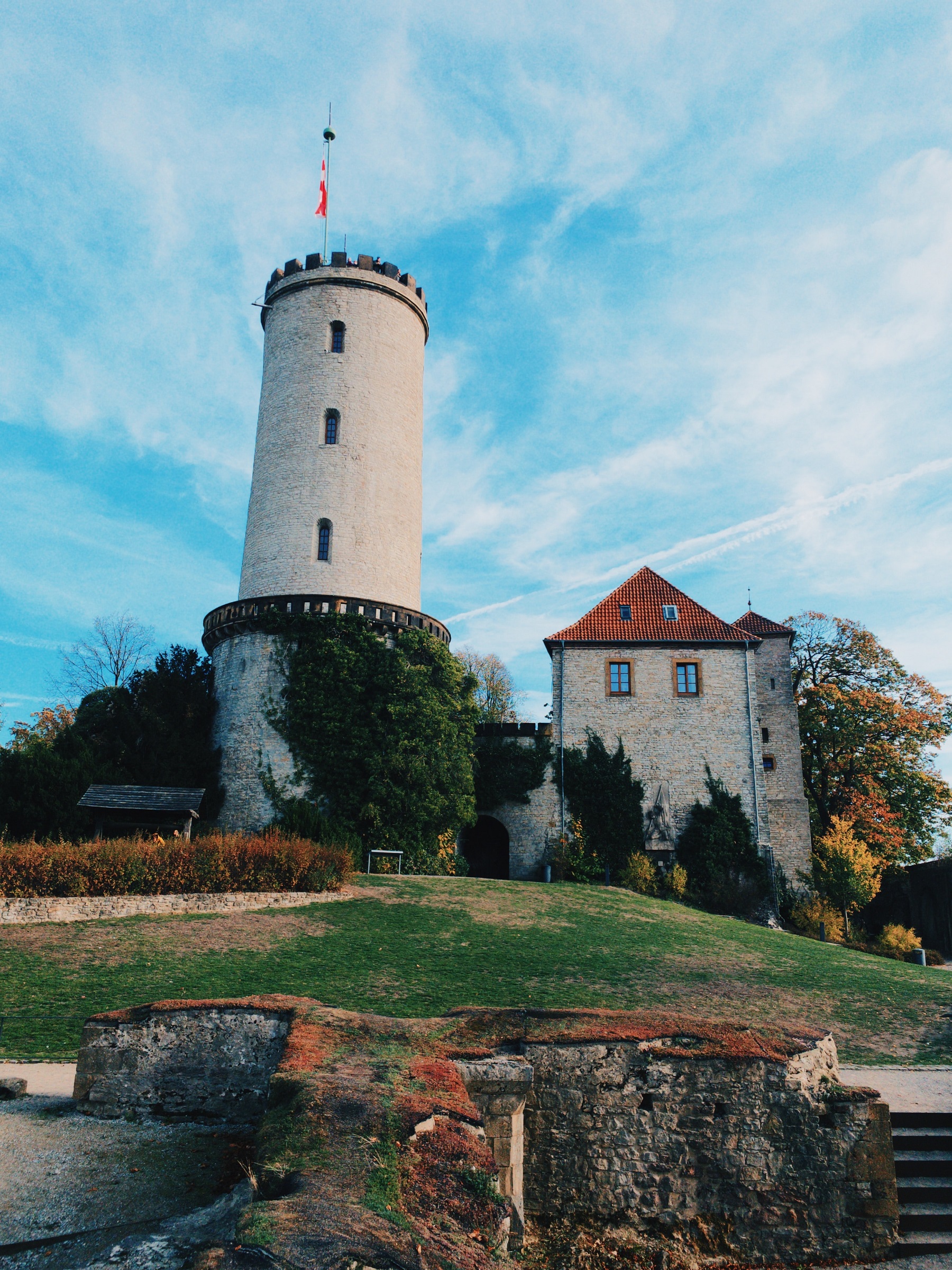
Bielefeld is a city in the state of North Rhine-Westphalia, located in the area around the Teutoburg Forest, where the Battle of Varus between Germans and Romans was possibly fought year 9. Bielefeld was founded in 1214 and grew rapidly in the following centuries, becoming the largest city in the local county. During industrialization, Bielefeld became a major center for the textile industry, but there was also other production in the city.

Today you can see Bielefeld’s cozy city center in the streets around the square of Alter Markt. In the square you can see the Theater am Alten Markt, which stands on the site of Bielefeld’s town hall until 1904. This year the town hall moved to a new building in the Weser renaissance style, which can still be seen in Niederwall street. Next to the 1904 town hall you can see Bielefeld’s beautiful opera house, which is also home to the city’s philharmonic orchestra.
More about Bielefeld


U Tower, Dortmund

Dortmund

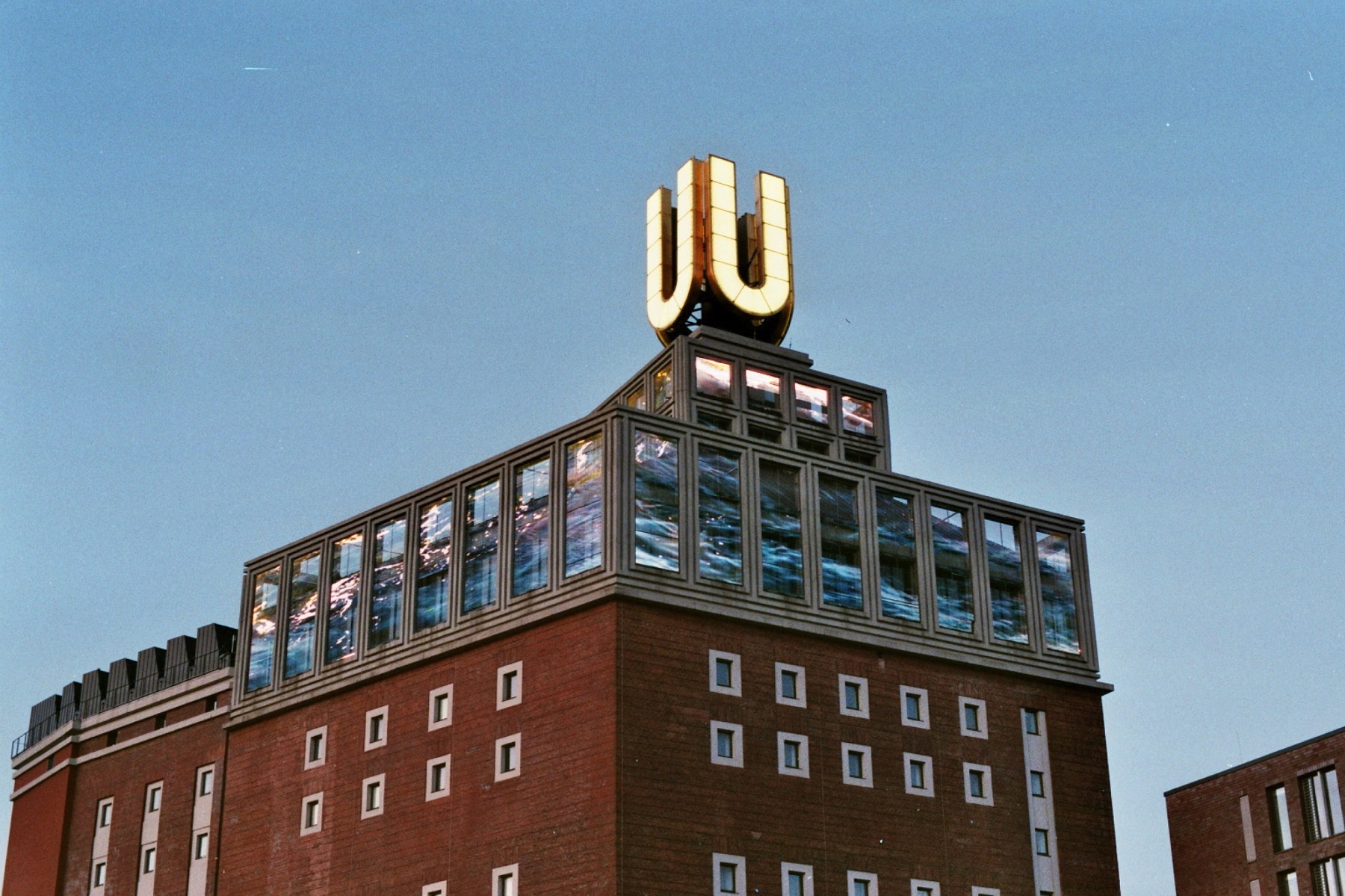
Dortmund is one of the largest cities in the state of North Rhine-Westphalia and in the Ruhr area, Germany’s most populous region. The city was founded in 882, and it got its current name from the 13th century, when forms of Dortmund appeared. In more recent times, Dortmund became the center of coal and steel production in Prussia, and due to the extensive industrial production, the city was a major bombing target during World War II.

Today, Dortmund’s streetscape is very colorful due to the mixture of renovation works and new development after the end of the war and the reconstruction of selected buildings. An example of the architectural contrasts can be seen at Friedensplatz, where the Altes Stadthaus from 1899 stands opposite Dortmund’s modern town hall. Close to this are the squares Alter Markt and Hansaplatz, which also feature modern buildings.

More about Dortmund


Erfurt, Germany

Erfurt

Erfurt is located on the river Gera and is the capital of the German state of Thuringia. It is an old town that was mentioned already from the 8th century. Later, the city temporarily became the home of Martin Luther, who was a priest in Erfurt’s cathedral before he moved to Wittenberg. Later, Erfurt became historic when the first meeting between government leaders from the GDR and West Germany took place at the Hotel Erfurter Hof in 1970.

The old town of Erfurt, Altstadt, is one of the best-preserved medieval towns in Germany, and there are many sights in the cozy streets. One of the best-known is the Krämerbrücke, a bridge from 1325 built with half-timbered houses on both sides of the cobblestoned road in the middle. Immediately west of the Krämerbrücke you can see the Alte Synagoge, which like the bridge also dates from around 1300.
More about Erfurt

Geolocation

In short

Bergpark Wilhelmshöhe, Kassel

Bergpark Wilhelmshöhe, Kassel

Overview of Kassel

Kassel is an old town known from the 10th century, where the area had a fortress by the river Fulda. Kassel obtained city rights in 1189, and in the 16th century the city became the capital of the County of Hesse-Kassel. Kassel became the center of Calvinist Protestantism in Germany, and the city was fortified as a defense against Catholics. Later, it became the home of the Brothers Grimm, who collected and wrote many of their fairy tales here.

The vast majority of the city was destroyed during World War II and not rebuilt. Kassel is therefore today a city with a center of post-war architecture. There are, however, some individual buildings that were rebuilt, such as the Museum Fridericianum, where one of mainland Europe’s first public art museums opened in 1779. You can also see the Martinskirche church in an interesting combination of new and old architecture.

Bergpark Wilhelmshöhe is a particularly famous sight in Kassel. It is a park that spreads over several square kilometers in the western part of the city. The park was laid out from the end of the 17th century by the Landgraves of Hesse-Kassel, who had the castle Wilhelmshöhe here. Today, the large mountain park is listed as a UNESCO World Heritage Site with a lot of cascades, fountains, waterfalls and monuments such as Hercules at the top of the park.

About the Kassel travel guide

Contents: Tours in the city + tours in the surrounding area
Published: Released soon
Author: Stig Albeck
Publisher: Vamados.com
Language: English

About the travel guide

The Kassel travel guide gives you an overview of the sights and activities of the German city. Read about top sights and other sights, and get a tour guide with tour suggestions and detailed descriptions of all the city’s most important churches, monuments, mansions, museums, etc.

Kassel is waiting for you, and at vamados.com you can also find cheap flights and great deals on hotels for your trip. You just select your travel dates and then you get flight and accommodation suggestions in and around the city.

Read more about Kassel and Germany

France Travel Guide: vamados.com/germany
City tourism: visitkas-sel.de

Main Page: https://www.vamados.com/

Buy the travel guide

Click the “Add to Cart” button to purchase the travel guide. After that you will come to the payment, where you enter the purchase and payment information. Upon payment of the travel guide, you will immediately receive a receipt with a link to download your purchase. You can download the travel guide immediately or use the download link in the email later.

Use the travel guide

When you buy the travel guide to Kassel you get the book online so you can have it on your phone, tablet or computer – and of course you can choose to print it. Use the maps and tour suggestions and you will have a good and content-rich journey.


Travel Expert

Stig Albeck

Gallery

Gallery

Other Interesting Guides

Similar to Kassel Travel Guide